The Ultimate Guide to Battery Restoration: Save Money on Replacements
Hey there, car enthusiasts and budget-conscious drivers! Are you tired of those dreaded "check engine" lights and the ever-increasing cost of replacing your car battery? You're not alone! Replacing a car battery can be a real pain in the wallet, but there's a secret weapon in the fight against battery failure: **battery restoration.**
Think of it like giving your battery a second chance at life. With the right approach, you can extend your battery's lifespan significantly, saving you money and keeping your car running smoothly.
Understanding Battery Chemistry
Before we dive into the restoration process, let's get a little technical. Car batteries work by converting chemical energy into electrical energy. They're basically a bunch of lead plates immersed in a sulfuric acid solution. As the battery discharges, lead sulfate builds up on the plates, reducing their efficiency. This is where the fun (and the restoration) begins!
Signs Your Battery Needs a Boost
Here's how you know your battery is struggling and might benefit from restoration:
- Slow engine cranking: You turn the key, and the engine sounds like it's barely trying to start.
- Dim headlights: Your headlights are dimmer than usual, and the interior lights seem weak.
- Electrical glitches: Your car radio, windows, or other electrical accessories are acting up.
- Frequent "check engine" light: While not always directly related to the battery, a check engine light could indicate a battery issue, especially if accompanied by other symptoms.
Battery Restoration Methods: Picking the Right One
There are a few popular methods for restoring car batteries, each with its own pros and cons.
1. Desulfation: Cleaning up those nasty sulfates
This is the most common method and involves breaking down the lead sulfate buildup on the battery plates. It's like giving your battery a good scrub! There are a few ways to desulfate:
- Battery charger with desulfation mode: Many modern chargers have this built-in, allowing you to recharge and desulfate your battery simultaneously.
- Desulfation solution: These solutions are designed to be added to the battery electrolyte, helping to dissolve the lead sulfate.
- Pulse charging: This method uses a series of high-frequency pulses to break down the sulfation.
2. Equalization charging: Balancing out the battery cells
Sometimes, your battery's individual cells become unbalanced, leading to decreased performance. Equalization charging involves applying a high voltage for an extended period to ensure all cells are at the same level. This helps to improve overall battery capacity.
DIY Battery Restoration: Can You Do It Yourself?
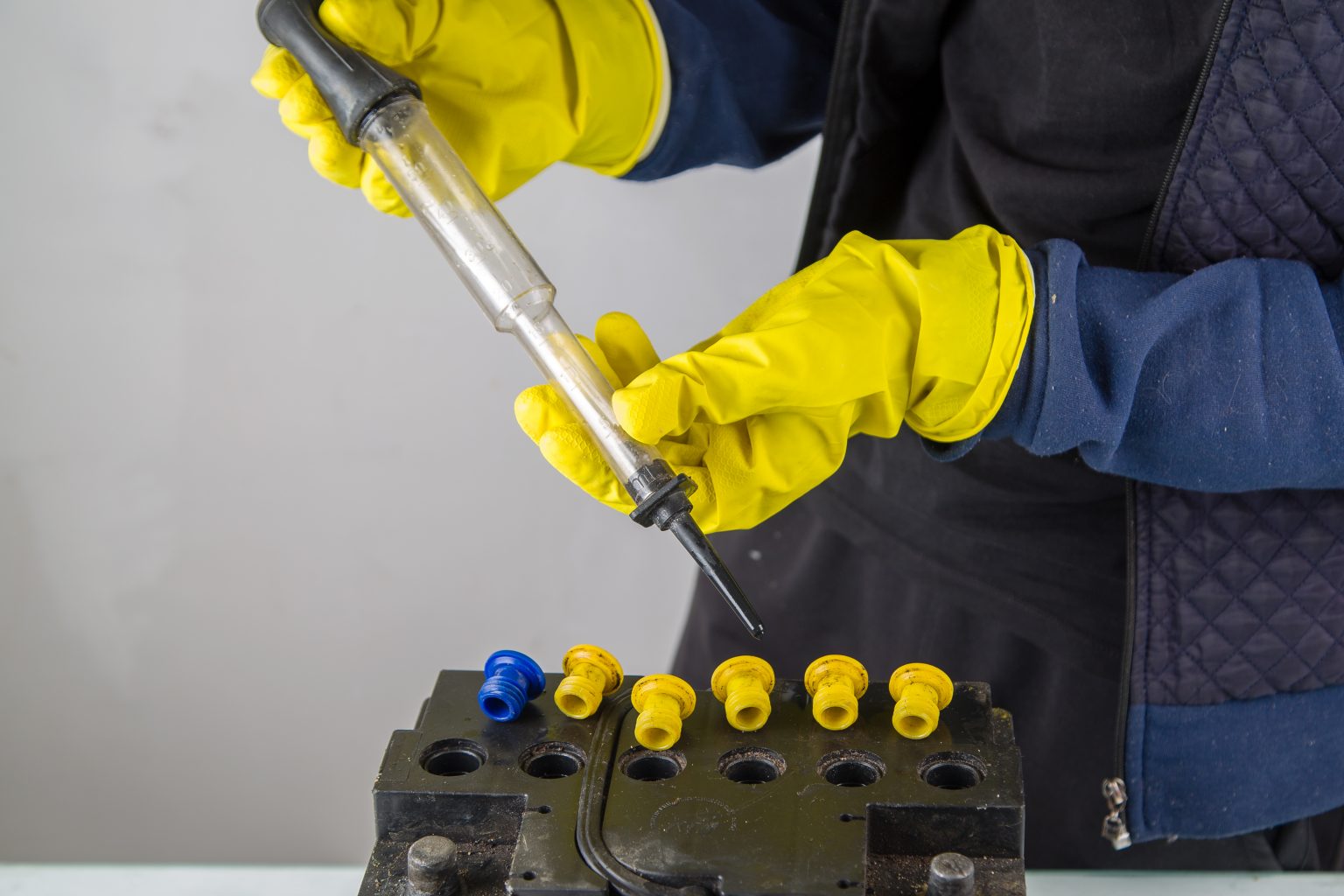
For the adventurous and budget-minded, DIY battery restoration is definitely an option. However, be aware that working with batteries involves potentially hazardous chemicals and requires a bit of technical know-how.
DIY Desulfation: A Basic Guide
Here's a simplified outline of the process:
- Safety first!: Wear protective gloves, goggles, and work in a well-ventilated area.
- Remove the battery from the car: This is crucial for safety and easier access.
- Inspect the battery: Check for leaks, corrosion, or any damage. If there's visible damage, it's best to replace the battery.
- Clean the terminals: Use a baking soda solution to remove any corrosion on the battery terminals.
- Charge the battery: Use a battery charger with desulfation mode or a specialized desulfation solution.
- Repeat as needed: The desulfation process might need to be repeated multiple times for optimal results.
- Reinstall the battery: Ensure the terminals are clean and securely connected.
Professional Battery Restoration: When to Seek Expert Help
While DIY battery restoration can be tempting, there are situations where it's best to seek professional help:
- Significant battery damage: If your battery is severely damaged or has been frozen, it's best to leave the restoration to professionals.
- Battery age: If your battery is very old (5+ years), restoration might not be effective.
- Lack of equipment: You might not have access to specialized equipment like a battery analyzer or desulfation solutions.
- Safety concerns: Working with batteries involves a risk of acid burns or electrical shock.
Battery Restoration: Not a Miracle Cure
It's important to remember that battery restoration isn't a magic bullet. It can extend the life of a battery that's still relatively healthy, but it's not a guaranteed fix for a completely dead battery. Think of it as a way to rejuvenate your battery, not revive it from the grave.
Tips for Maintaining Your Battery's Health
Here are some simple steps to keep your battery in tip-top shape and minimize the need for restoration:
- Regular charging: Make sure your battery is fully charged every few months. A trickle charger is an excellent tool for this.
- Check the terminals: Inspect the terminals for corrosion regularly and clean them as needed.
- Avoid extreme temperatures: Hot and cold temperatures can significantly impact battery lifespan.
- Limit deep discharges: Avoid completely draining your battery, as this can cause irreversible damage.
The Bottom Line: Is Battery Restoration Worth It?
The decision to restore your battery depends on several factors, including its age, condition, and your budget. If your battery is relatively new and shows signs of needing a boost, restoration could be a great way to save money and extend its lifespan. However, if your battery is old or severely damaged, replacing it might be the more cost-effective solution in the long run.
By understanding the process of battery restoration, you can make an informed decision that best suits your needs and your car. Happy driving!