
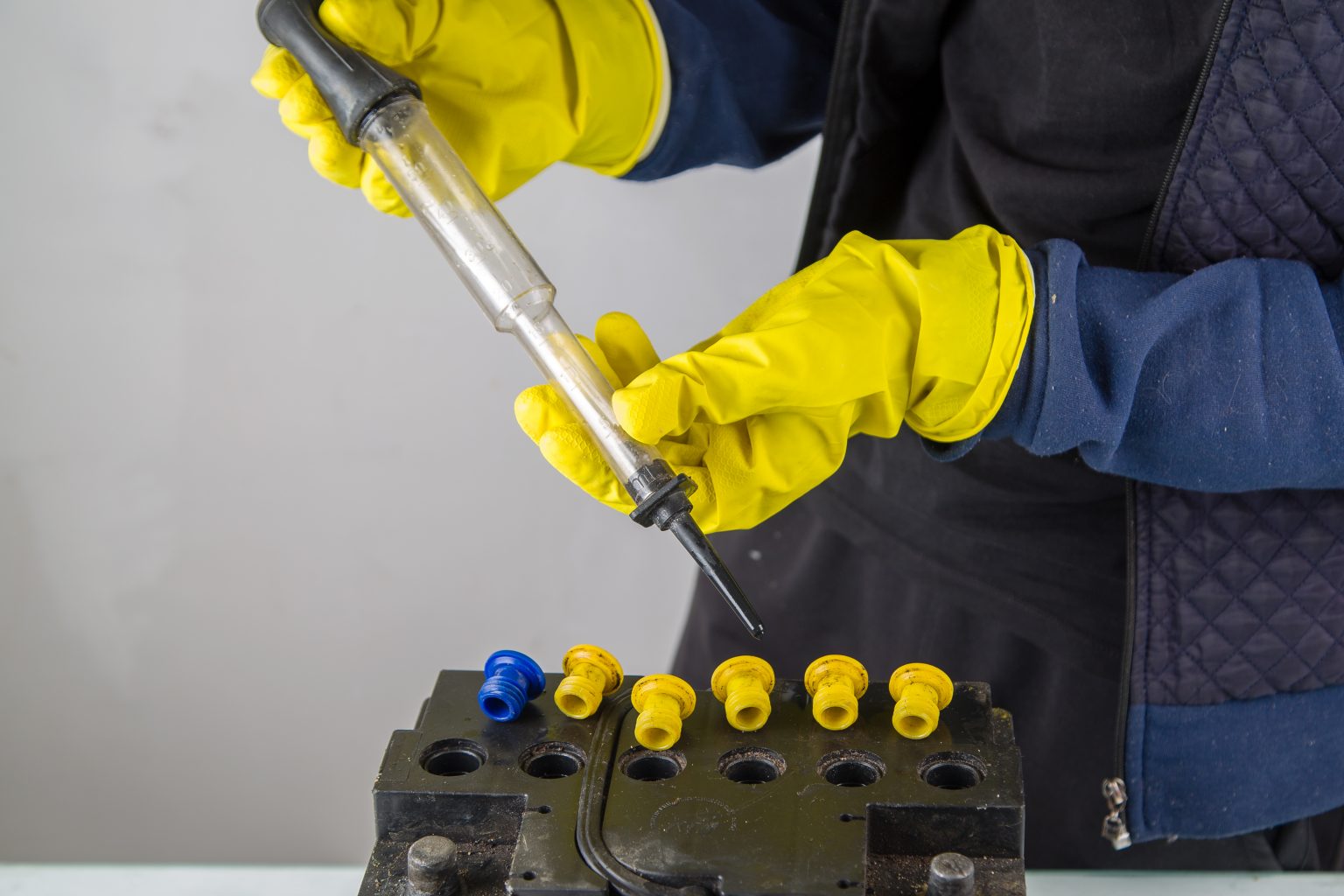
Reconditioning Lead-Acid Batteries: Restoring Power and Extending Lifespan
Lead-acid batteries, ubiquitous in vehicles and various other applications, are susceptible to degradation over time. As they age, their capacity diminishes, leading to reduced performance and eventually, failure. However, reconditioning can breathe new life into these batteries, restoring their power and extending their lifespan. This article provides a comprehensive guide on reconditioning lead-acid batteries, covering various methods and considerations.
Understanding Battery Degradation
Lead-acid batteries consist of lead plates immersed in an electrolyte solution of sulfuric acid. During discharge, a chemical reaction occurs, converting lead sulfate on the plates. This process reduces the battery's voltage and capacity. Over time, lead sulfate crystals can form on the plates, hindering the chemical reaction and leading to reduced performance. Other factors contributing to battery degradation include:
- Sulfation: The formation of lead sulfate crystals on the plates, reducing their ability to conduct electricity.
- Corrosion: The plates and other components can corrode, leading to increased resistance and reduced capacity.
- Electrolyte loss: Water evaporation from the electrolyte can result in reduced density and conductivity.
- Overcharging: Excessive charging can damage the plates and shorten battery life.
- Deep discharges: Frequent deep discharges accelerate the sulfation process.
Methods for Reconditioning Lead-Acid Batteries
Reconditioning aims to reverse these degradation processes and restore the battery's performance. Several methods are employed, each targeting specific aspects of the degradation:
Desulfation
Desulfation involves breaking down the lead sulfate crystals that have formed on the plates. This process typically involves applying a higher-than-normal charging voltage for an extended period. The increased voltage forces the lead sulfate to dissolve and return to its original form, thereby restoring the battery's capacity.
Electrolyte Replenishment
Electrolyte loss can be replenished by adding distilled water to the battery. This process should be done carefully to avoid overfilling the battery. Once the electrolyte level is restored, the battery should be charged to ensure proper electrolyte density and conductivity.
Cleaning and Maintenance
Cleaning the battery terminals and connections with a wire brush or sandpaper helps to reduce resistance and improve current flow. Regularly checking the electrolyte level and ensuring proper charging and discharging practices can also contribute to battery longevity.
Steps for Reconditioning a Lead-Acid Battery
Here's a step-by-step guide to reconditioning a lead-acid battery:
- Safety Precautions: Lead-acid batteries contain sulfuric acid, which is highly corrosive. Wear appropriate safety gear, including gloves, eye protection, and a respirator. Work in a well-ventilated area to avoid inhaling battery fumes.
- Inspection: Visually inspect the battery for any signs of damage, such as cracks, corrosion, or leaks. Check the electrolyte level, which should be visible above the plates. Measure the battery's specific gravity to assess its state of charge.
- Desulfation: If the battery has been deeply discharged or has experienced sulfation, use a desulfation charger. These chargers apply a higher voltage for an extended period, typically 24-48 hours. Follow the manufacturer's instructions carefully.
- Electrolyte Replenishment: If the electrolyte level is low, add distilled water to the battery until the level reaches the designated mark. Do not overfill the battery, as this could cause damage.
- Cleaning: Clean the battery terminals and connections with a wire brush or sandpaper to remove any corrosion or debris. Ensure that all connections are tight.
- Charging: Charge the battery using a suitable charger, following the manufacturer's instructions. The charging time will depend on the battery's capacity and condition. Once the battery is fully charged, check its voltage and specific gravity to ensure it is at its optimal level.
- Testing: After reconditioning, test the battery's capacity using a battery load tester. This will determine if the battery has been restored to its original performance.
- Maintenance: Regularly check the electrolyte level and charge the battery according to its usage. Avoid deep discharges and ensure proper charging practices to prolong battery life.
Considerations for Reconditioning
Reconditioning a lead-acid battery is not always a guaranteed solution. It is important to consider the following factors:
- Battery Age: Batteries beyond a certain age may be too degraded to be effectively reconditioned. The maximum age for effective reconditioning varies depending on the battery's design and usage.
- Battery Condition: Batteries with severe physical damage, such as cracks or leaks, are unlikely to be reconditioned successfully.
- Sulfation Level: The level of sulfation plays a significant role in the effectiveness of reconditioning. Highly sulfated batteries may require specialized equipment and procedures.
- Battery Capacity: The battery's capacity after reconditioning may not be fully restored, especially for severely degraded batteries.
Alternatives to Reconditioning
If reconditioning is not feasible, consider alternative options:
- Replacement: Replacing the battery with a new one is the most straightforward solution, ensuring optimal performance and reliability.
- Battery Recycling: Properly dispose of old batteries through authorized recycling facilities to prevent environmental contamination.
Conclusion
Reconditioning lead-acid batteries can be a viable option to extend their lifespan and restore their performance. However, it requires careful consideration of the battery's condition, the appropriate techniques, and safety precautions. By following the steps outlined in this guide, you can effectively recondition your lead-acid battery and enjoy its renewed power and longevity. Remember that proper maintenance and usage practices are crucial for maximizing battery life and preventing premature degradation.
0 comments:
Post a Comment
Note: only a member of this blog may post a comment.