
Giving Your Old Lead-Acid Battery a Second Life: How to Use a Desulfator
Hey there, battery enthusiasts! You know that feeling, right? You've got a trusty lead-acid battery that's been powering your stuff for ages, but it's starting to lose its pep. It just doesn't hold a charge like it used to, and you're starting to feel like it's time to say goodbye. But wait! Before you toss it in the recycling bin, there might be a way to breathe new life into your old battery friend. Enter the desulfator, a mysterious device that promises to reverse the aging process and give your battery a second chance.
Now, I'm not going to sugarcoat it â€" desulfators aren't a magic bullet. They won't fix a completely dead battery, and they won't make your battery brand new again. But they can be a surprisingly effective way to reclaim some of that lost power, especially if your battery is suffering from sulfation.
So, let's dive into the world of desulfation and figure out how to use this intriguing tool to give your battery a fighting chance.
What is Sulfation, and Why Does It Happen?
Imagine your battery as a bustling city full of tiny lead plates. These plates are where the magic of storing energy happens. But over time, they can get covered in a white, crusty layer called lead sulfate â€" think of it like a layer of grime building up on your windows. This layer is the villain of the story, because it acts like an insulator, blocking the flow of electricity.
So, what causes sulfation? It's basically a natural process that occurs when your battery sits idle for too long. The lead plates get covered in this sulfate layer, making it harder for the battery to accept and release a charge. You might notice this as a drop in battery performance â€" it takes longer to charge, and it doesn't last as long.
Now, don't get discouraged! Just because your battery is showing signs of sulfation doesn't mean it's a lost cause. It's just a sign that it needs a little TLC. That's where the desulfator comes in.
Introducing the Desulfator: A Battery's Best Friend?
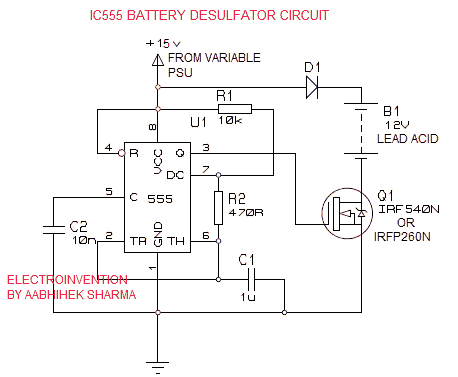
Think of a desulfator as a special kind of battery doctor. It works by applying a controlled electric pulse to your battery. This pulse disrupts the lead sulfate crystals, breaking them down into smaller particles. Those smaller particles are then easier to remove, allowing the battery to regain its ability to store and release energy.
Now, it's important to note that desulfators aren't some kind of miracle cure. They're not going to magically make your battery brand new again. But if your battery has been showing signs of sulfation, a desulfator can be a valuable tool to help you recover some of that lost performance. Think of it as a way to give your battery a bit of a refresh.
Choosing the Right Desulfator
So, you've decided to give a desulfator a try â€" great! But now you have to choose one. The good news is that there are several options available, so you can pick one that fits your needs and budget.
Types of Desulfators
There are two main types of desulfators:
- Pulse desulfators: These are the most common type. They use a series of controlled pulses to break down the sulfate crystals. They are generally considered safe for most lead-acid batteries.
- High-frequency desulfators: These use a higher frequency of pulses, but they might not be suitable for all battery types. Be sure to check the manufacturer's recommendations before using a high-frequency desulfator.
Key Factors to Consider When Choosing a Desulfator
When choosing a desulfator, here are some important factors to keep in mind:
- Compatibility: Make sure the desulfator is compatible with your battery type. Look for a model that's designed for lead-acid batteries, and if your battery is a specific type (like AGM or gel), make sure the desulfator is compatible.
- Output: Desulfators have different output levels. Choose a desulfator with an appropriate output for your battery size. Check the manufacturer's recommendations for the specific battery you're using.
- Features: Some desulfators come with additional features like automatic shut-off, battery health monitoring, and adjustable pulse settings. These features can be helpful, but they also tend to increase the price.
- Warranty: Always check the warranty before you buy a desulfator. A good warranty will give you peace of mind in case something goes wrong.
- Price: Desulfators range in price, so consider your budget when making your decision. Keep in mind that a more expensive desulfator might have more features and a longer warranty.
How to Use a Desulfator
Once you have your desulfator, it's time to put it to work! Here's a general guide on how to use it:
- Read the Instructions: Always start by carefully reading the manufacturer's instructions for your specific desulfator model. These instructions will provide detailed information on how to use the device safely and effectively.
- Prepare the Battery: Before you start desulfating, make sure your battery is disconnected from any electrical loads. Clean the battery terminals with a wire brush to remove any corrosion.
- Connect the Desulfator: Connect the desulfator to your battery according to the manufacturer's instructions. Pay attention to the polarity â€" connect the red wire to the positive terminal and the black wire to the negative terminal.
- Run the Desulfator: Turn on the desulfator and let it run for the recommended amount of time. This time period will vary depending on the battery size, the level of sulfation, and the desulfator model. The manufacturer's instructions will provide guidance on this.
- Monitor the Process: While the desulfator is running, it's a good idea to monitor the battery temperature. If the battery gets too hot, stop the desulfator and let the battery cool down.
- Disconnect the Desulfator: Once the desulfator has finished running, carefully disconnect it from the battery.
- Charge the Battery: After desulfating, it's essential to fully charge the battery. You can use a standard battery charger for this.
Safety First: Desulfating with Caution
Like any battery-related task, desulfating requires a little caution. Always follow these safety tips to protect yourself and your equipment:
- Wear Safety Glasses: Lead-acid batteries can release corrosive fumes, so it's important to protect your eyes.
- Work in a Well-Ventilated Area: Ensure the area where you are working has good ventilation to allow the fumes to dissipate.
- Avoid Sparks: Lead-acid batteries can be explosive, so avoid sparks or open flames while working on them.
- Handle the Battery Carefully: Lead-acid batteries can be heavy, so handle them with care to avoid injury.
- Use Insulated Gloves: Protect your hands from electrical shock by wearing insulated gloves.
- Keep Children and Pets Away: Never let children or pets near the battery or the desulfator while it's in use.
Desulfators: A Tool, Not a Magic Wand
Remember, desulfators are a helpful tool for rejuvenating a slightly sulfated battery, but they aren't a magical solution. They won't fix a completely dead battery, and they won't make your battery brand new again. But if your battery has been showing signs of sulfation, a desulfator can be a valuable tool to help you reclaim some of that lost performance.
So, there you have it â€" a deep dive into the world of desulfators! If you're looking for a way to give your old battery a second life, a desulfator might just be the answer you've been searching for. But always remember to proceed with caution and follow safety guidelines. Happy desulfating!
0 comments:
Post a Comment
Note: only a member of this blog may post a comment.