
How to Fix Your Car Battery Without Replacing It
Car batteries are essential components of any vehicle, providing the power needed to start the engine and run electrical systems. However, like any other mechanical part, batteries can fail over time, leaving you stranded. Before you rush out to buy a new battery, there are a few things you can try to fix your existing battery and save some money.
Check the Battery Terminals
Corrosion on the battery terminals is a common cause of battery problems. Corrosion restricts the flow of electricity, hindering the battery's ability to charge and deliver power. To clean the terminals, you'll need a wire brush, baking soda, and water.
Cleaning Battery Terminals
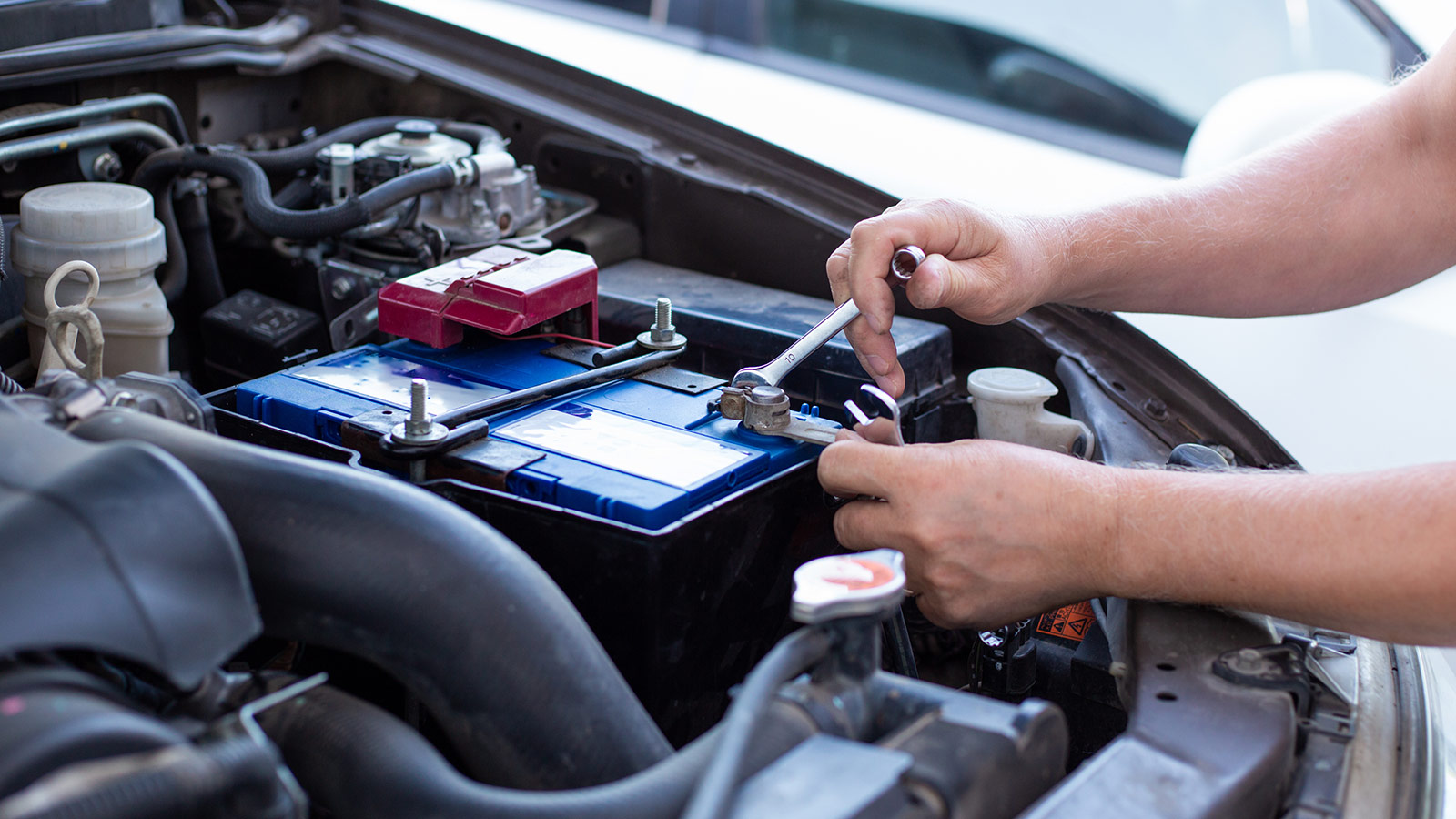
- Disconnect the battery cables by loosening the terminal clamps with a wrench. Always disconnect the negative cable first (black) and reconnect it last.
- Use a wire brush to remove any corrosion from the terminals and the battery posts. You may need to apply some force to dislodge stubborn corrosion.
- Mix a paste of baking soda and water and apply it to the terminals and posts. Let it sit for a few minutes, then scrub it off with the wire brush.
- Rinse the terminals and posts with water and dry them thoroughly. Apply a thin layer of petroleum jelly or battery terminal grease to prevent further corrosion.
- Reconnect the battery cables, ensuring they are tightly secured. Remember to reconnect the positive cable (red) first.
Jump Start Your Battery
If your battery is completely dead, jump-starting it with another car can provide a temporary boost. Make sure the donor car's engine is running, and connect the jumper cables correctly. The positive (red) cable goes to the positive terminal of the dead battery and the positive terminal of the donor battery. The negative (black) cable goes to the negative terminal of the donor battery and a metal grounding point on the dead car's frame, away from the battery.
Jump Starting Safety Precautions
- Ensure that the donor car is in park or neutral with the parking brake engaged.
- Do not allow the jumper cables to touch each other or any metal parts of the vehicle.
- Start the donor car and let it run for a few minutes before attempting to start the dead car.
- Once the dead car starts, remove the jumper cables in reverse order, starting with the negative cable.
Charge Your Battery
If your battery is partially discharged, you can try charging it with a battery charger. Battery chargers come in various sizes and types, so choose one that is appropriate for your battery. Follow the instructions provided with the charger carefully. Charging time varies depending on the battery's capacity and the charger's output.
Charging Battery Safety Tips
- Ensure the battery charger is plugged into a grounded outlet.
- Connect the charger's positive (red) clamp to the battery's positive terminal and the negative (black) clamp to the battery's negative terminal.
- Do not leave the charger connected for extended periods after the battery is fully charged, as overcharging can damage the battery.
While these tips may help extend the life of your car battery, remember that a battery's lifespan is finite. If your battery is consistently failing, it's likely time for a replacement. A new battery will provide you with the peace of mind knowing that your car will start reliably. However, by following these steps, you can potentially save yourself some money and avoid a sudden breakdown.
0 comments:
Post a Comment
Note: only a member of this blog may post a comment.