
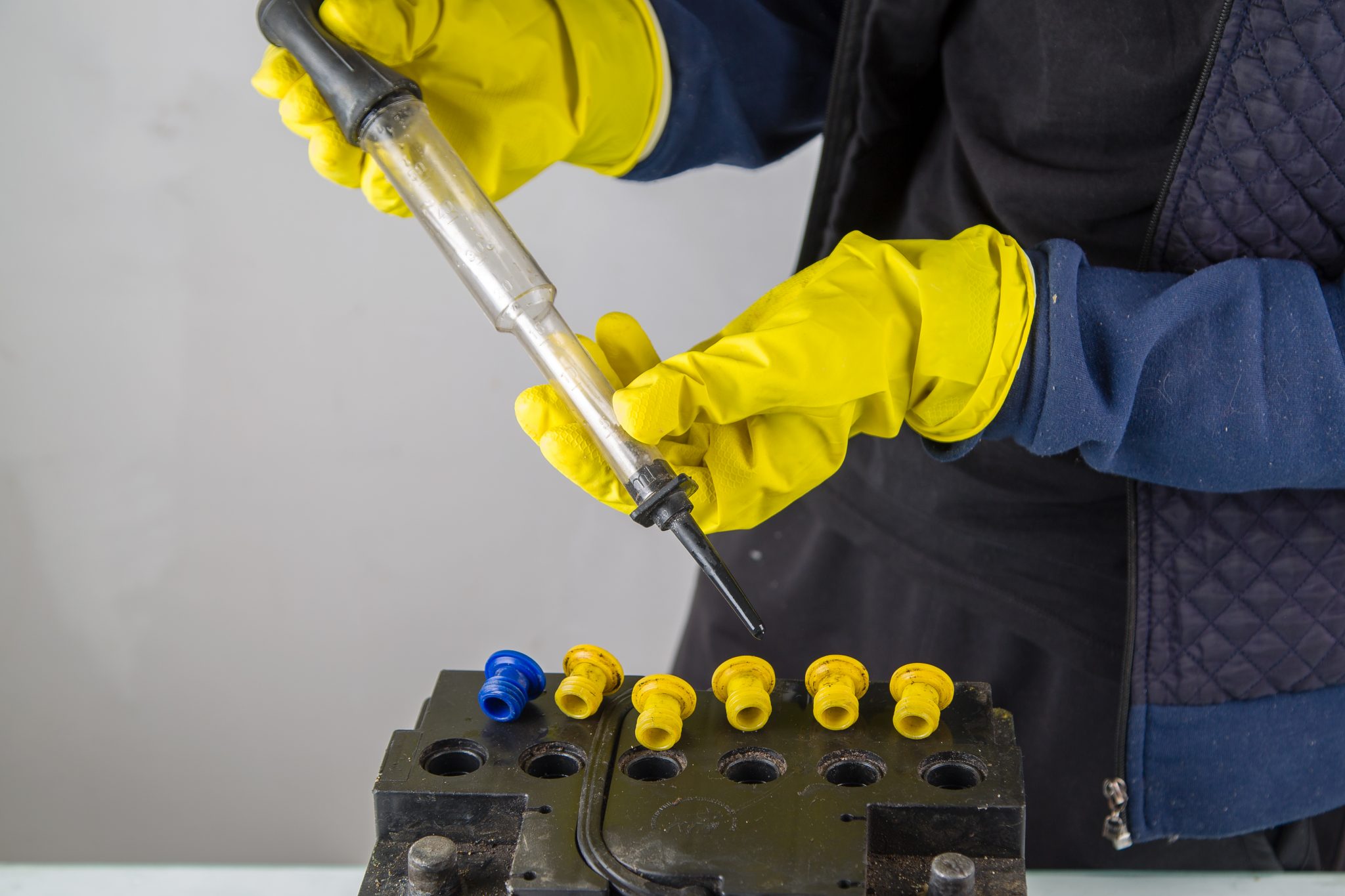
Reconditioning Lead-Acid Batteries and Boosting Their Storage Capacity
Lead-acid batteries, despite their age, remain ubiquitous in various applications, from powering cars to providing backup electricity. However, these batteries naturally degrade over time, leading to reduced storage capacity and performance. Fortunately, you can revitalize your lead-acid batteries and extend their lifespan through a reconditioning process. This article provides a comprehensive guide to reconditioning lead-acid batteries, exploring various methods, safety precautions, and techniques to increase their storage capacity.
Understanding the Degradation of Lead-Acid Batteries
Lead-acid batteries utilize a chemical reaction between lead plates and sulfuric acid to store and release energy. Over time, this chemical process leads to several forms of degradation, including:
- Sulfation: Lead sulfate crystals form on the battery plates, hindering the flow of electricity and reducing capacity.
- Corrosion: The battery plates can corrode, diminishing their surface area and limiting the efficiency of the chemical reaction.
- Sedimentation: Lead particles from the plates can settle at the bottom of the battery, further restricting electrical conductivity.
- Electrolyte Loss: Water evaporation from the battery can decrease the electrolyte level, affecting battery performance.
Methods for Reconditioning Lead-Acid Batteries
Reconditioning lead-acid batteries aims to reverse these degradation processes, restoring the battery's capacity and performance. Several methods can be employed for reconditioning, each with its own advantages and drawbacks:
1. Desulfation with Battery Desulfator Devices
Battery desulfator devices utilize electronic pulses to break down lead sulfate crystals on the battery plates. These devices claim to reverse sulfation and improve battery performance. While effective in some cases, their effectiveness may vary depending on the severity of sulfation and battery condition.
2. Equalization Charging
Equalization charging involves charging the battery at a higher voltage and current than normal for an extended period. This method aims to break down sulfation and distribute the charge more evenly throughout the battery. However, it should be used cautiously, as it can potentially damage the battery if not done correctly.
3. Pulse Charging
Pulse charging utilizes a series of short bursts of current instead of a continuous flow. This method can help break down sulfation and improve battery performance. However, it requires specialized equipment and may not be suitable for all battery types.
4. Battery Reconditioning Kits
Battery reconditioning kits typically include a charger, desulfator, and other tools designed to restore battery capacity. These kits offer a more comprehensive approach to reconditioning but may require more technical expertise and effort.
Increasing Storage Capacity
Besides reconditioning, several strategies can enhance the storage capacity of lead-acid batteries:
- Regular Maintenance: Regularly check the electrolyte level and top it off with distilled water as needed. This prevents excessive water loss and maintains optimal electrolyte concentration.
- Proper Charging: Use a suitable charger designed for lead-acid batteries. Avoid overcharging or undercharging, as both can damage the battery.
- Storage Conditions: Store batteries in a cool, dry place. Avoid extreme temperatures, as they can accelerate degradation.
- Deep Cycling: Minimize deep discharges as much as possible. Deep cycling puts significant stress on the battery and reduces its lifespan.
Safety Precautions
Reconditioning lead-acid batteries involves working with potentially hazardous materials. It's crucial to follow safety precautions to prevent accidents or injuries:
- Wear Protective Gear: Always wear safety goggles, gloves, and protective clothing when working with batteries.
- Ventilation: Work in a well-ventilated area to prevent the build-up of flammable hydrogen gas released during charging.
- Fire Safety: Keep a fire extinguisher readily available, as lead-acid batteries can pose a fire hazard if mishandled.
- Acid Handling: Handle battery acid with extreme care. Avoid contact with skin and eyes. If contact occurs, immediately flush the area with water and seek medical attention.
Conclusion
Reconditioning lead-acid batteries can extend their lifespan and improve their performance, saving you money and reducing waste. However, it's essential to understand the limitations and potential risks involved. Choose the appropriate reconditioning method, follow safety precautions, and maintain your batteries properly to maximize their storage capacity and performance.
0 comments:
Post a Comment
Note: only a member of this blog may post a comment.