
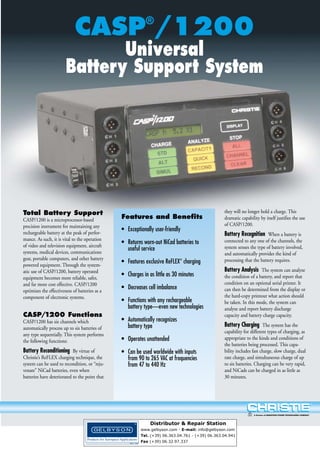
Reconditioning NiCad Batteries: A Guide to Cost-Effective Solutions
In the world of rechargeable batteries, NiCad (Nickel-Cadmium) batteries have long been a popular choice for their durability and affordability. However, with time, these batteries tend to lose their capacity and performance, leading many to discard them. But wait! Before you toss those aging NiCads, consider reconditioning them. It's a process that can breathe new life into your batteries, extending their lifespan and saving you money.
Reconditioning NiCad batteries essentially involves a deep discharge and recharge cycle to revitalize their internal chemistry. This process helps to break down any internal crystals that might have formed and restores the battery's capacity. While it's not a magical cure-all, it can significantly improve the performance of your aging NiCads.
Understanding the Reconditioning Process
Reconditioning NiCad batteries isn't complicated, but it requires a few tools and a bit of patience. Here's a step-by-step guide to help you get started:
Gather Your Supplies
- A DC power supply: This is crucial for controlled charging and discharging. Ensure it can output at least 1.5 volts per cell.
- A multimeter: You'll need this to monitor battery voltage and current during the process.
- A resistor: This helps discharge the battery safely. Calculate the resistance based on the battery's voltage and desired current (aim for a slow discharge).
- A battery charger: This is for the final charging stage.
- Safety goggles and gloves: Protect yourself from potential hazards.
Discharge the Battery
Begin by completely discharging the NiCad battery. Connect the battery to the resistor, ensuring the polarity is correct. Monitor the voltage with the multimeter. Allow the discharge to continue until the voltage drops below 1.0 volt per cell.
Recharge the Battery
Once the battery is fully discharged, connect it to the DC power supply for charging. Set the voltage to 1.5 volts per cell and apply a low charging current (around 0.1C). Monitor the voltage and current. Stop charging when the voltage reaches the fully charged level (around 1.4 volts per cell).
Repeat the Cycle
Repeat the discharge and recharge cycle several times. This helps to break down any internal crystals and improve the battery's capacity. For best results, repeat the cycle 3 to 5 times.
Tips for Success
- Use a regulated power supply to ensure consistent voltage and current during the process.
- Monitor the battery temperature during charging and discharging. Overheating can damage the battery.
- Use a low charging current to avoid stressing the battery.
- Don't overcharge the battery as it can lead to premature aging.
- Store the reconditioned battery in a cool, dry place to preserve its lifespan.
Safety Precautions
NiCad batteries contain cadmium, a toxic metal. Handle them with care and avoid spilling the electrolyte. Always wear safety goggles and gloves when handling batteries. Work in a well-ventilated area.
Conclusion
Reconditioning NiCad batteries can be a cost-effective way to extend their lifespan and reduce waste. By following the steps outlined in this guide and taking necessary safety precautions, you can revive your aging NiCad batteries and give them a second chance.
0 comments:
Post a Comment
Note: only a member of this blog may post a comment.